
RPET appears in more packaging conversations every year, especially when retailers and food brands are trying to reduce their use of virgin plastic. The name is straightforward: RPET is recycled polyethylene terephthalate. What matters to a buyer, however, is not only the definition. The real questions are how the recycled material affects appearance, performance, compliance, availability, and cost.
A good RPET package should still protect the food, run reliably on the packing line, and arrive in the required condition. Sustainability claims do not replace those basic responsibilities.
How is RPET produced?
Used PET products are collected, sorted, cleaned, and processed into recycled material that can be used again. Depending on the recycling route and intended application, the material may be converted into flakes or pellets before being made into sheet for thermoforming.
The quality of the feedstock and the control of the recycling process influence color, clarity, odor, contamination risk, and consistency. This is why two products both described as RPET may not look or perform exactly the same.
Where is RPET packaging used?
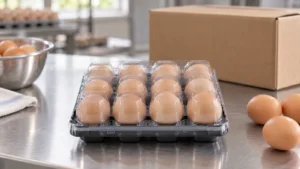
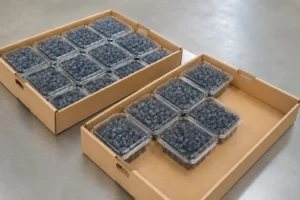
RPET can be used for clear produce containers, clamshells, trays, bakery packaging, and other thermoformed applications. It is especially attractive where product visibility is important because PET can provide a clear, rigid package.
The exact recycled content may vary. Some products use a blend of recycled and virgin material to achieve the required appearance or forming performance. Buyers should ask for the actual recycled-content specification rather than assuming that the term RPET means 100 percent recycled material.
Does RPET look different from virgin PET?
Well-controlled RPET can provide an attractive retail appearance, but recycled material may show slight color variation, haze, or small visual differences. Whether these are acceptable depends on the product and brand standard.
For berries or bakery products, even a small change in clarity may affect presentation. Review a production-representative sample with the real food and label before approval. A photograph is not enough for judging transparency.
What should food packaging buyers verify?
Confirm the intended recycled content, material structure, food-contact suitability, dimensions, container weight, temperature conditions, and destination market. Ask which documentation applies to the actual finished package and whether recycled content is controlled by batch.
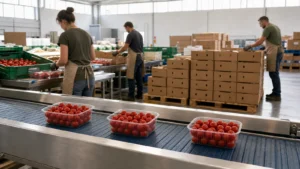
Performance testing should include closure, stacking, impact, carton fit, storage, and transport. Recycled content is only one part of the specification; wall distribution and structural design still determine how the container behaves.
Is RPET always the most sustainable choice?
RPET can reduce demand for virgin resin and support the use of recovered material, but packaging decisions should consider the complete system. A poorly designed container that causes food damage may create more waste than it prevents. Excessive material weight also reduces the benefit of recycled content.
Material reduction, product protection, carton efficiency, local recycling infrastructure, and clear disposal guidance all belong in the discussion.
Buying RPET packaging from a manufacturer
Send the supplier the food type, target capacity, required recycled content, appearance standard, dimensions, annual volume, and market requirements. Request samples and agree on acceptable variation before mass production.
Yinling Plastic Industry manufactures PET and RPET thermoformed packaging for fresh produce and other food applications. Standard containers can support faster purchasing, while customized designs can address specific dimensions, closures, ventilation, labeling, and carton arrangements. A clear specification allows recycled content and practical packaging performance to work together.
How to compare RPET quotations
Ask every supplier to quote against the same recycled-content percentage, container weight, dimensions, packing quantity, and quality standard. A lower price may reflect less material, a different recycled-content level, or wider appearance tolerances. Request both an empty sample and a filled trial. Check whether the container remains clear and stable after storage, stacking, and cold-chain handling. For repeat orders, agree how material changes will be communicated and whether a new sample is required when the recycled feedstock or sheet structure changes.