
A reliable packaging supplier should be able to connect your specification to real equipment, controlled samples, inspection records and repeatable packing—not simply present a polished quotation.
Match capabilityCheck that the process, tooling and materials suit your format.
Control the first orderApprove measurable requirements before production begins.
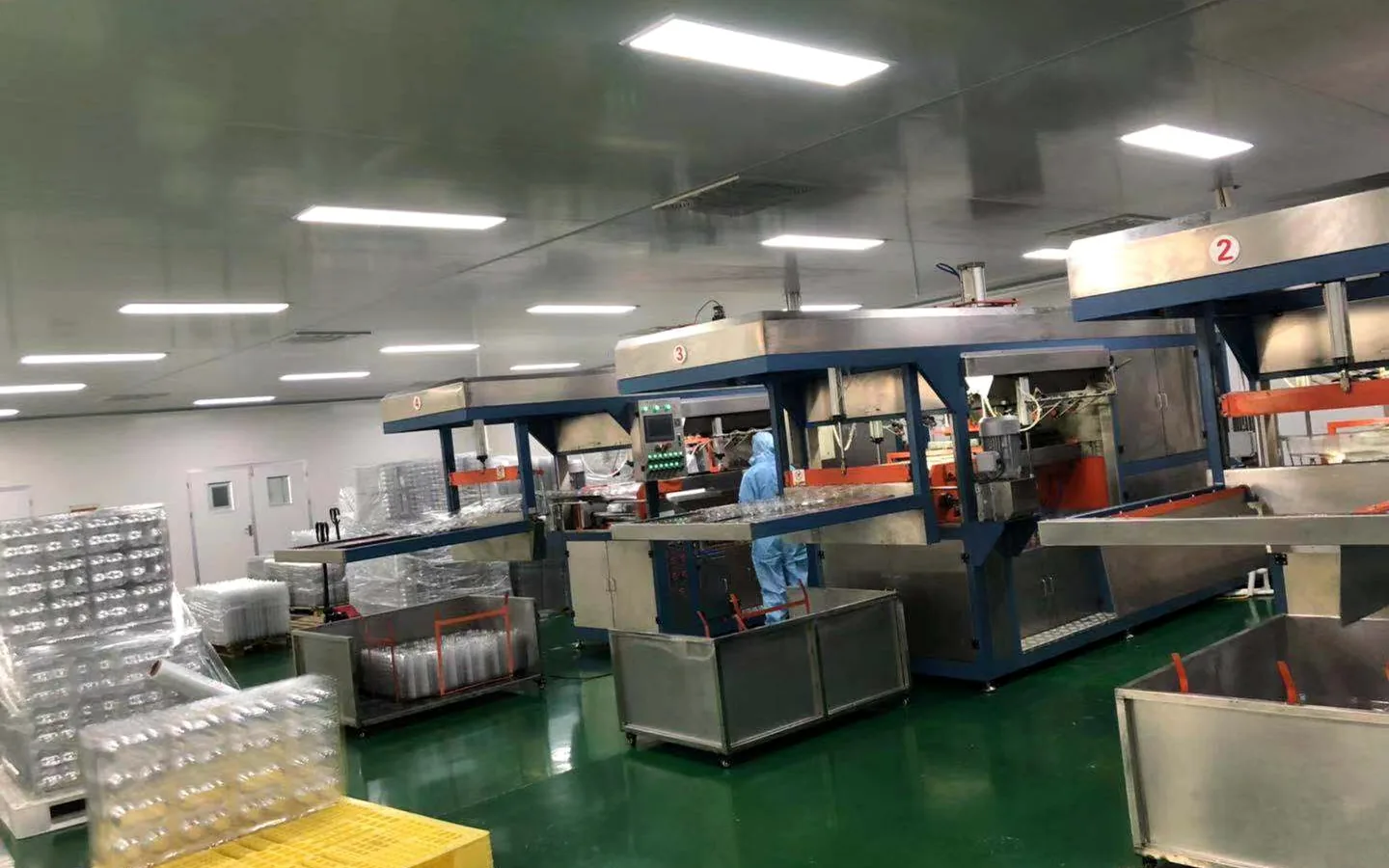
Reliability is a chain of evidence
Overseas buyers cannot judge a manufacturer from a homepage claim or sample photo alone. The useful question is whether the supplier can show a consistent path from your application requirements to production, inspection and shipment.
Short answer: verify the company behind the quotation, confirm that its equipment and experience match your exact packaging format, test a filled production-representative sample, freeze a measurable specification, and treat the first order as a controlled validation run.
Commercial evidence
Legal identity, quotation entity, payment beneficiary, export route and clearly stated trade terms should tell one consistent story.
Technical evidence
Equipment, tooling, material handling, product drawings and real samples should match the package you intend to buy.
Control evidence
Approved specifications, inspection points, packing details and change records should make repeat orders easier to verify.
A practical packaging supplier verification process
The sequence matters. A strong sample is useful only when you know who made it, how it will be reproduced and which version the purchase order will control.
Define the application
State the product, pack weight, storage conditions, filling method, carton plan, destination and annual demand. Separate “must-have” requirements from preferences.
Confirm the company
Ask for the legal company name and business details. Check that the quotation, invoice and payment beneficiary are consistent before money moves.
Match the process
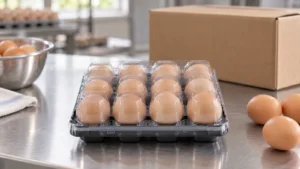
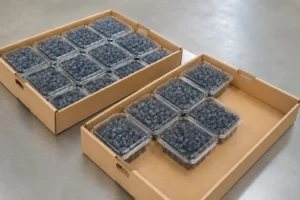
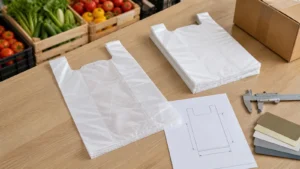
PET clamshells and produce trays require thermoforming capability; printed shopping bags require film, print and converting controls. Do not accept a generic factory tour as proof.
Approve the sample
Test the package with the real product, label, carton and handling route. Record dimensions, weight or gauge, closure, vents, appearance and agreed tolerances.
Set inspection evidence
Decide what is checked during production and before shipment. The quality-control checklist shows how to connect evidence to acceptance.
Control the first order
Use a clear change log, packing confirmation and shipment release. Review deviations before scaling the program or adding more SKUs.
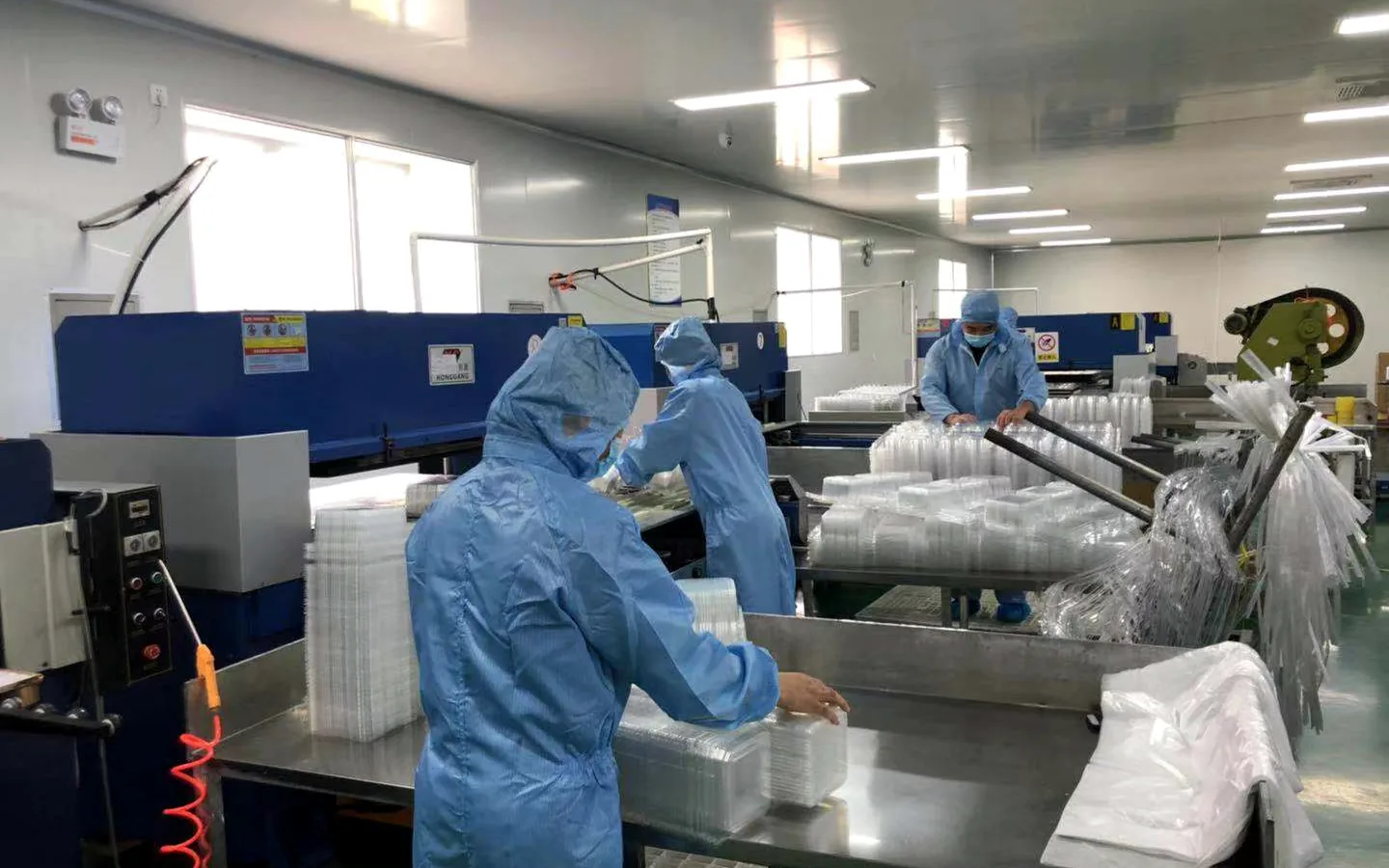
Ask the factory to show the exact process you need
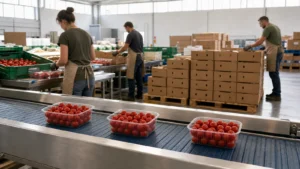
A large building or a long machine list does not automatically make a supplier suitable. Ask the manufacturer to trace one comparable item through the actual production route and explain where variation is controlled.
What to request—and what it actually proves
Documents and photos are inputs, not automatic approval. Their value comes from matching names, dates, product scope and the requirements of your destination market.
| Evidence | What to compare | What it does not prove alone |
|---|---|---|
| Business information | Legal name, address, business scope, quotation and beneficiary | That the factory can make your exact package consistently |
| Factory video or visit | Relevant equipment, current production, material and finished-goods flow | That every line shown belongs to the quoted order without further confirmation |
| Test documents | Issuer, date, material, sample identity, method and destination requirement | That a report for another resin or product covers your item |
| Sample | Filled-product performance, dimensions, function, appearance and packing fit | That mass production will match unless the sample is tied to a frozen specification |
| Inspection record | Check item, method, frequency, result, lot and approved reference | That vague “QC passed” wording controls the features important to your application |
Four red flags to resolve before placing an order
A red flag is a reason to ask for clearer evidence—not always a reason to reject a supplier immediately. The concern is whether the response becomes more specific and verifiable.
The supplier avoids measurable answers
“High quality” does not replace dimensions, material, unit weight or gauge, tolerances, functional checks and packing quantity.
The sample cannot be linked to production
Confirm whether it is a current production item, a hand-prepared prototype or a sample obtained from another source.
Company and payment details keep changing
Resolve any difference between the company you evaluated, the entity issuing the invoice and the beneficiary receiving payment.
The lowest price requires an undefined change
Ask what changed in material, dimensions, weight, print, packing, inspection or commercial terms before comparing quotations.
Scale only after the approval loop works
A first order should confirm communication and repeatability as well as product quality. Keep the release path simple enough that purchasing, production and inspection are working from the same version.
Send enough information for a useful quotation
A disciplined RFQ reduces hidden assumptions and makes suppliers easier to compare on fit, not price alone.
- Product and intended application
- Packaging format and material preference
- Target dimensions and pack weight
- Functional needs: closure, vents, handles or print
- Label or artwork requirements
- Filled-product and carton information
- Order quantity by SKU and annual forecast
- Destination and preferred EXW or FOB basis
- Sample and approval requirements
- Inspection and packing expectations
Evaluate a packaging route with Yinling
Yinling supplies PET produce clamshells, produce trays and custom printed plastic shopping bags. Send the product application, target dimensions or pack weight, required quantity, destination and current packing method so the team can review the suitable production route.
Standard MOQ is generally 500 cartons. Timing depends on product, tooling, artwork, material and approval requirements. Early quotations are commonly discussed on an EXW or FOB basis; other terms can be reviewed for suitable large orders.